 |
|
|
|
||||
|
|
This story has been restored from the magazine archive. The text is original; outdated contact details have been removed. How to find the dwelling and feeding Pike ¤ Zander ¤ Perch ¤ Sea trout
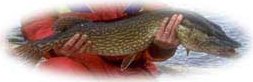
In the Archipelago there are two kinds of basic hideouts for the pike. The first are the edges of the rushes and the second are zones of bladder wrack. The rushes are indicated on the nautical chart by a fragmentary line. If there is a suitable amount of rocks on the chart´s yellow area, which denotes shallow water less than ten metres in depth, you can be certain that behind one of the rocks there is a longnose stalking her prey.. It is almost always worthwhile to seek for pike downwind. If the wind blows from the south you will find the pike off the southside shores. When the wind is very hard, the fish move to the leeward side, because high waves mix vegetation and algae waste into the water making it muddy. You should also always consider the previous direction of the wind. If the wind has blown from the west for several days and then turns e.g. to southeast, it takes the pike about a day before they start to move downwind. Rock beds between which there is bladder wrack growing are the feeding ground of small fish and thus also tempt pike to prey. The protective colouring of the archipelago pike blends her well into the shadow of the algae mat. The best size food pike is from one to three kilogrammes. The big fish are most often female whose spawn produces millions of fry with the largeness genes. Thus killing the mother fish will derive you of a part of the future catches.
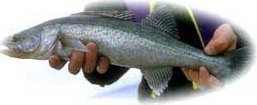
In May and June you find the zander around scars and islets even in water that is under a metre in depth. Jig is then definitely the best lure to use. In July when the spawning is over the zander wander to outer water from the shallows and you can catch them by both jigging and trolling. Jigging on the open sea shallows is worth while because also zander and not only perch bite both horizontal and vertical jigs.
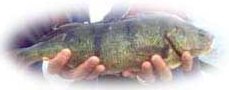
The feeding areas of perch are the open sea shallows, mounds under water that have from two to eight metres of water on them. Normally there is a current over the shallows that brings the school of perch shrimps, other small organisms and fry. There are also currents in the bottlenecks between islands. Among bladder wrack there is often a lot of nutriment that the perch come to eat even though there is the risk of encountering pike. The ridges continuing from cape points also gather schools of perch. Often the fish dwell on either side of this kind of a ridge. The actual position depends both on the direction of the wind and the direction of the current. In the early summer morning and in the evening at sunset the perch might be roused to feed on the surface. When you find a greedy school you can have your smoking oven full of good sized stripe shirts in just one moment.
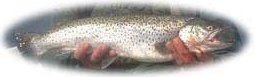
The most wanted and at the same time the most difficult fish to catch is the sea trout. In the spring the trout come to shallow coves to sunbathe and to chase the three-spined stickle backs. The spring season in this area lasts from the middle of April to the middle oj June.When the spring sun warms up the water in the coves to over four degree Celcius it is time to tie a spoon with an irritation colour at the end of your line. In the springtime it is also nice for a fly fisher to go for trout because frisk winds are much less a hindrance then than in ti autumn. When the spring day is sunny and there´s a mellow wind blowing from the south or the west, put on your polaroids, tanning lotion on your cheek and set out for the trout.
|
|||||
 |
 |
||||||