 |
|
|
|
||||

|
|
This story has been restored from the magazine archive. The text is original; outdated contact details have been removed.
This list of the best flies is based on
editors fishing trip to Lapland in july 2000.
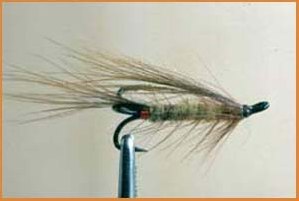
OLIVE SARVIJAAKKO (TIMBERMAN)
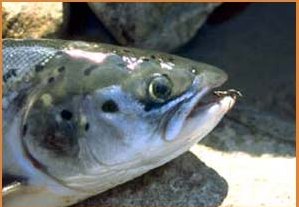
This fly gave many contacts with salmons in Teno- Lakselv and Vetsikko-rivers. The tastiest catch was a grilse a bit over 60 cm from Vetsikko. Mr. SFM-toimitus has said, that Olive Sarvijaakko has to be tied in the leader, when the nature around you looks out like olive. I followed this advise, at Vetsikko in early morning hours. First my brother-in-law, Topi; had a good contact with the fish. It rose to the fly, but did not take it. After a while I had possibility to serve Olive Sarvijaakko to the same fish. What followed was a aggressive hit and an enjoyable fight, which, this time, I won. Hook: Long trebble 6-10
CREPLABOMBER
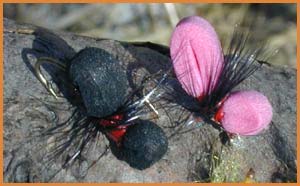
First summer this salmon dryfly had possibility to float on salmon rivers was 1999. The results were promising. During wintertime tying-sessions I tried to make the float and the swimming of the fly more effective, that means to better the fishing quality of the fly. In summer 2000 Creplabomber gave one nice grilse to the trip-menu. We used successfully th fly to locate salmons in the river. In late July many of the salmons have choosed their places in the rivers. These fishes ( about 20 pcs) reacted every time, when Creplabomber floated by. Some of them took afterwards some other fly and ended in our nets. The pinf version of Creplabomber catched a nice 46 cm seatrout in River Teno. Hook: Salmon dryfly 8-12
CDC-NYMPH
This basic nymph gave tens of graylings, whitefish, trouts every pace it was fished with, and a grilse in Levariver. Actually CDC is in this dressing only the legs, which are tyed with the CDC-herls. The abdomen is tyed with the shaft of bold stripped CDC-feather. If You tie dryflies of CDC You will have a lot of this material. Hook: Nymph 12-16
CREPLA-ANT
Jake Karvinen developped this ant-dressing. It is easy to tie and it fishes like an angel (or Saint Peter). One of the best fishes with Crepla-Ant was a 600 grams artic charr , which ate as its last meal a yellow ant-fly. The advantage of Crepla-Ant is, that You do not have to dry and grease this fly all the time like You have to do with classic dryflies. Hook: Dryfly 12-16
BEADPUPA
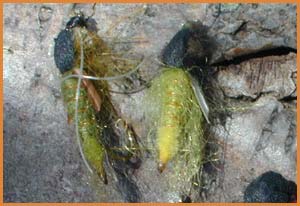
This pupa-dressing fished whitefishes and trouts in River kautokeino, graylings in Levariver and some hot hits of grilses in Tenoriver. In summer 2000 I tested some pupaflies with the bead in thorax under the backshield not in the head. The results were very promising. On the Tour de Lapland 2001 I will have a box full of these Beadpupas Hook: Pupa 12-16
|
Picture. |
||||
 |
 |
||||||